

Shirley MacLaine, 89, was seen enjoying a rare outing with her caretaker/health aide this week. The influential actress stopped at Kristy’s restaurant in Malibu, CA for lunch and appeared to be in good spirits, in photos shared by Daily Mail. She wore a colorful casual outfit that included a blue sweatshirt under a tan jacket, mint green sweatpants, and gray slip-on sneakers.
The talented star, whose brother is iconic actor Warren Beatty, also wore big sunglasses and a visor as she held onto her health aide when they walked in and out of the restaurant. They dined at an outdoor table where there was proper shade from the sun and seemed to have a good time. At one point, Shirley appeared to open a wallet to pay for the meal.

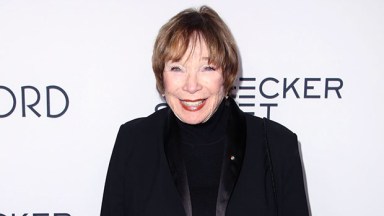
Shirley’s latest outing comes just four months before she turns 90. It also comes weeks after she was honored with the Lifetime Achievement Award at the 2023 Industry Dance Awards & Cancer Benefit Show. She flashed smiles on the red carpet of the event while wearing a stylish floral embroidered black blazer, black slacks, and black flats. Her award was presented by fellow actress Annette Bening, who is married to her brother Warren, and she stopped for photos with her and her date for the evening, Peter Levine.
Shirley’s impressive award doesn’t come as too much of a surprise considering the tremendous impact she’s made in the film industry. She’s won an Academy Award, Emmy Award, two BAFTA Awards, six Golden Globe Awards, and more for her epic work over the years. Some of her most popular films include The Trouble with Harry, The Turning Point, Steel Magnolias, Postcards from the Edge, Terms of Endearment, and The Apartment. She was also in the sitcom Shirley’s World.
In addition to acting, Shirley has become a successful author. Many of her books feature the topics of metaphysics, spirituality, and reincarnation, and her 1986 memoir, Out on a Limb, became a bestseller.
Source link