Why Townhomes Have Quickly Become a Top Investment Option For Investors Looking For Cash Flow

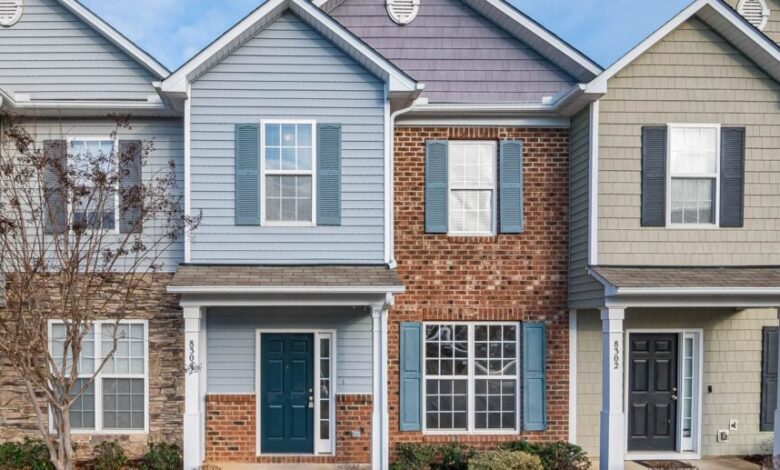
Traditionally, townhomes were often starter homes for singles and young couples, becoming rentals by default when the owners decided to upgrade to a single-family home. That is changing.
Previously, the additional cash from a townhouse starter pad-turned-rental and its tax benefits were crucial first steps toward building wealth. Now, however, amid the affordability crisis, Realtor.com reports that they have played an increasingly important role in homebuying, serving as both starter homes and long-term residences for owners due to their lower price points.
With a greater number of townhouses on the market and those looking to live with lower housing costs, such as the 55+ community and singles, increasing in number as well, townhomes’ role as investment vehicles could also take on greater significance.
“Townhomes now make up the largest share of the for-sale homes on the market in our data history,” explained Realtor.com senior economist Joel Berner. “And they appear to be picking up steam as builders push forward with smaller and more affordable projects to meet the demand of buyers who are struggling to make a purchase in the detached home (single-family) space.”
Townhomes Are Being Built at a High Rate
New Census construction data showed townhouses are being built fast and steady, up 3.8% year over year, offering investors the chance to buy new homes that require less maintenance at far lower price points than single-family homes.
From a wide lens, townhome starts were up 37% from the second quarter of 2019 to August 2024, according to homebuilding research and data platform Zonda.
“In today’s challenging housing market, consumers’ growing interest in townhomes is a direct response to two primary pressures: affordability and lifestyle preference,” said Ali Wolf, chief economist at NewHomeSource, which is owned by Zonda.
Realtor.com’s Berner explained:
“Townhomes are generally lower-priced than single-family homes and sometimes offer community services and amenities that single-family homes (especially those outside HOAs) may not. They also tend to be concentrated in more urban areas and closer to city centers. The drawbacks are that they are generally smaller and, by definition, share walls with other homes.”
The low cost of construction has made townhouses a winner with builders. According to the National Association of Home Builders, after the second quarter of 2025, the previous four quarters saw 179,000 homes built. The four-quarter moving average market share is the highest on record for data going back to 1985.
The Appeal of Townhomes to Buyers and Renters
Townhomes work as rentals for the same reason that they work as owner-occupied homes. Affordability and low maintenance make them appealing to a wide demographic. They also have some advantages over single-family homes.
Here are some of the demographics who are looking at townhomes and why.
Single women
According to NewHomeSource, single women often prefer the sense of community and safety that a townhome offers, with shared walls and neighbors close at hand. Data from the American Enterprise Institute’s Survey Center on American Life shows more Americans, particularly young women, are single.
Single-parent families
Single-parent families are on the rise in the U.S. According to U.S. Centers for Disease Control and Prevention data, as cited by NPR, 40% of all babies in the U.S. were born to single mothers raising children on their own, often without partners. Increasingly, these women are over 30, can afford to buy or rent on their own, and are opting for townhouses.
Millennial appeal
Millennials enjoy living in walkable communities with access to amenities.
55+ buyers
Empty nesters enjoy the low-maintenance lifestyle that living in a townhome offers, especially those that appeal to their aesthetic values with high-end design, while also being a part of a community.
Townhomes as an Investment
Not every townhome community is a great investment. One downside of living in an older townhome community with poor management is that, as an owner, you are clustered with other homes. So, even if your rental is in great shape, if the surrounding homes are beat up, it’s not a good look for potential tenants.
On the upside, townhomes generally have lower property taxes than single-family homes, but they usually have HOA fees, so you’ll have to weigh the two against each other, along with additional expenses, to work out your final cash flow numbers.
Pre-Construction Pricing, Multiple Homes
For investors looking to build a manageable portfolio of doors near one another, approaching a building to negotiate a pre-construction price for multiple units might be a viable opportunity. You’ll own brand-new rentals next to one another, requiring minimal maintenance.
There might be some caveats to this approach, however, if the HOA laws state that investors can only own a certain percentage of homes in the development.
Low Maintenance
While dealing with HOA fees eats into your cash flow, it also means that owning a townhome is great for passive investors who don’t want to be bothered with day-to-day upkeep issues like lawn mowing, roof cleaning, landscaping, pest control, HVAC inspections, trash collection, and snow removal.
Townhomes as Short-Term Rentals
According to AirDNA, the platform that analyzes the short-term rental market, some townhome markets offer homes costing less than a single-family property and—for STR purposes—earn more.
It might sound too good to be true, but AirDNA whittled down the list to the following:
- Savannah, Georgia
- Seattle, Washington
- Key West, Florida
- Philadelphia, Pennsylvania
- Denver, Colorado
- Pensacola, Florida
For purely short-term rental purposes, townhomes located in popular vacation spots can be high earners. AirDNA did the number crunching to analyze the top townhome STR markets in the U.S in terms of annual revenue. In May 2024, when the survey was compiled, they were:
- Vail/Avalon, Colorado: $125,872 annual revenue potential (ARP)
- Park City, Utah: $111,874
- Key West, Florida: $100,094
- Steamboat Springs, Colorado: $97,399
- Savannah, Georgia: $94,715
- San Diego, California: $83,449
- Breckenridge, Colorado: $75,443
- Santa Rosa/Rosemary Beach, Florida: $68,554
- Nashville, Tennessee: $66,898
- Sarasota, Florida: $64,631
Final Thoughts
Like any investment, townhomes as rentals are highly dependent on location. Being near universities, hospitals, and other employment hubs means you’ll have a steady supply of tenants. This is where the advantage of owning a townhome kicks in—they are about 10% less expensive than single-family homes, require less maintenance, and can earn decent rental income.
If you own a townhome in a popular tourist area, you might be able to purchase it as a second home and deduct some or all of the mortgage interest, under the limits that apply to your main home, providing you live in it for more than 14 days of the year or 10% of the days you rent it out, whichever is greater. That means you can benefit from rental income and depreciation of the rental portion, even if it is classified as a second home, provided you meet specific conditions.
For hands-off investors or those considering a short-term rental, townhomes offer a wide range of opportunities.
Source link